
Shamanism
15 Questions on Shamanism Answered
A Brief Introduction into Shamanism
#1 — What is shamanism?
Shamanism is a spiritual work to help, heal or activate yourself or another person. Shamanism is also a way of life, it is spirituality at its natural and pure state, and being in touch with the natural world and spiritual realms. It is also a state of awareness where an individual has raised from ordinary people’s mentality.
#2 — Who is a shaman?
A Shaman is a person with abilities to peer or enter spiritual realms for shamanic purposes. Besides healing a shaman is also an individual who lives in a certain spiritual discipline.
#3 — How does one become a shaman?
In most cases, shamans are born to later receive further training for their shamanic abilities.
#4 — What kind of powers and abilities does a shaman have?
There are a variety of abilities that even a novice shaman must possess to be considered one, where the basic abilities are to have insights about a spiritual realm. but a shaman has healing abilities, they can see the future, they can remotely influence a person or an event, affect the weather, and so on.
#5 Where do shamanic powers comes from?
A shaman obtains his or her abilities from five major sources:
1. Power items, shamanic power items are enchanted items that include the animal’s bones, clay pots, crystals, stones, and so forth.
2. His shamanic practices could be the special spiritual discipline and exercises based on his deities.
3. His allies or deities are non-physical entities that bestow shamanic powers to someone, do not be surprised to call a preacher with activated healing abilities by the holy spirit a shaman.
4. Plants and herbs, a shaman obtains a wealth of knowledge from his/her mentor on how to use plants for healing purposes.
5. Locations and animals, in addition to that a shaman also receives a knowledge of various locations that are like portals or gateways to spiritual realms, and thus, they know the special time to take their clients or fetch water or soil samples from those locations.
#6 — What religion is Shamanism associated with?
Shamanism is something very ancient, and therefore shamanism predates all religions. Shamanism is based on natural earth religions where the underlying principle is animism where everything is alive and a conscious spirit such as a tree, a house, etc. The concept of God in shamanism is nature itself and everything within it.
#7 — Is shamanism an Evil practice?
Shamanism has been around for years, and it has been applied to help people and society. But shamanism becomes an evil practice when a shaman uses his or her resources to harm others or for selfish purposes. When a shaman becomes evil, they then become witches or sorcerers.
#8 — Is there a biblical reference to shamanism?
Shamanism is all about helping society and people in general, so all the prophets and healers in the bible could be considered shamans. From Jesus to Elijah, john the Baptist, and such.
#9 — What is a role of a shaman?
The work of a shaman is to find the root causes of your problems, it could be health problems, financial problems, social problems, or spiritual problems, in most cases when all other modern resources are exhausted, then a person would seek advice from a shaman.
#10 — What happens during shamanic work?
during a shamanic session, a shaman would first honor his ancestors and deities and then honor his/her client’s deities and ancestors to later seek permission to perform that work.
They would then perform a reading or in other cases, they would call upon deities who can do the reading for them to point out the root causes of your current situation. They would bring a matter to their client for the client’s permission to go ahead with the solution.
If the client accepts to go ahead, a shaman will prepare a special ceremony for that person, the ceremonies could be in person or remote, where a shaman would give their client different instructions as the session continues.
In most cases depending on the gravity of the situation. Usually, a regular session would take an hour, a day, a week even a month.
#11 — What kind of tools does a shaman use?
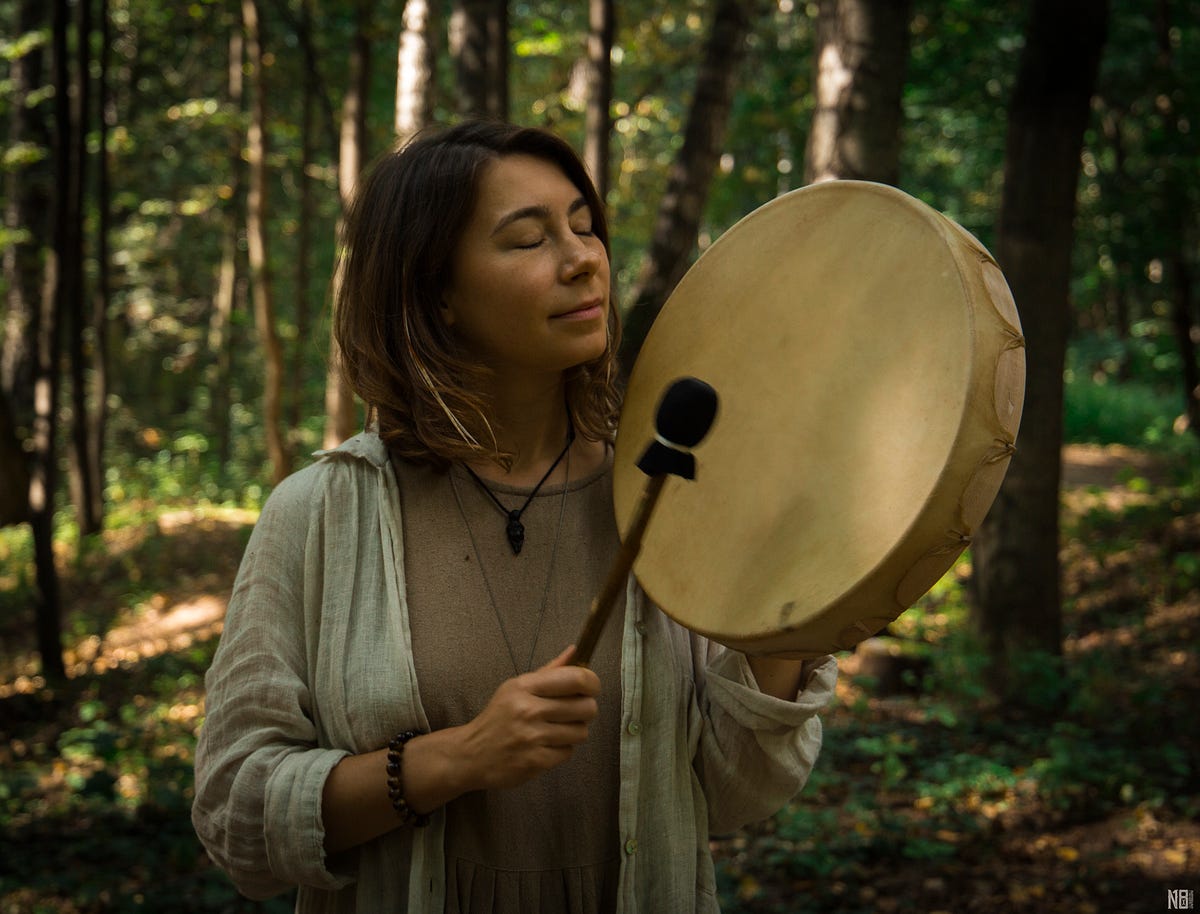
The power of a shaman is in the spirit of a shaman, his ancestors, and his deities or sometimes called the Allies. Not all shamans use similar tools, but the traditional shamans use a variety of hand-made tools from animal skins, gourds, feathers, clay pots, crystals, skulls, bones, twigs, rods, and much more.
A shaman gets knowledge and wisdom either from their teachers, ancestors, or deities. For this reason, the mixing of herbs and other spiritual medicine might vary and differ because sometimes the physical herbs or potion is not what matters but the procedure and preparation of that shamanic medicine.
#12 What does a shaman wear
Most shamans prefer to wear their traditional clothing, a Native American Shaman would wear their traditional clothes, A Siberian Shaman would wear their traditional Siberian clothing so is the Korean or African, etc.
The main reason is to honor their ancestors and invite them during the ceremonies. Besides that, these shamanic clothing are also tools to invoke the spirit of shamanism in them as some clothes are also enchanted with powers.
#13 Where is shamanism practiced today?
Shamanism is widely practiced all over the world today, you will find shamans all over the world even in modern cities like New York. Shamans do their tours all over the world healing the sick and solving people’s problems.
#14- What are the Benefits of shamanic work?
There are many benefits of shamanic works, including reconnecting with your ancestors, deities discovering your real purpose in this current life, removing blockages and parasitic entities in your life and body, activation of hidden talents or abilities, and much more.
#15 — What are the limitation of shamanism
A shaman is not perfect by any means, so they cannot help each one, spiritual matters are complicated, though most the spiritual problems could be solved by a shaman a good shaman recognized their limitation and are willing to admit them.
Conclusion.
Shamanism is like an art, as you venture into diverse cultures and even in the same regions, shamans employ different methods of healing and dealing with problems. Something that cannot be quantified on the ways shaman works or deal with certain problems. What I have shared here are only insights to what I know but there are other things that I don’t know which are beyond my own understanding.
Shamanism
15 Questions on Shamanism Answered
A Brief Introduction into Shamanism
#1 — What is shamanism?
Shamanism is a spiritual work to help, heal or activate yourself or another person. Shamanism is also a way of life, it is spirituality at its natural and pure state, and being in touch with the natural world and spiritual realms. It is also a state of awareness where an individual has raised from ordinary people’s mentality.
#2 — Who is a shaman?
A Shaman is a person with abilities to peer or enter spiritual realms for shamanic purposes. Besides healing a shaman is also an individual who lives in a certain spiritual discipline.
#3 — How does one become a shaman?
In most cases, shamans are born to later receive further training for their shamanic abilities.
#4 — What kind of powers and abilities does a shaman have?
There are a variety of abilities that even a novice shaman must possess to be considered one, where the basic abilities are to have insights about a spiritual realm. but a shaman has healing abilities, they can see the future, they can remotely influence a person or an event, affect the weather, and so on.
#5 Where do shamanic powers comes from?
A shaman obtains his or her abilities from five major sources:
1. Power items, shamanic power items are enchanted items that include the animal’s bones, clay pots, crystals, stones, and so forth.
2. His shamanic practices could be the special spiritual discipline and exercises based on his deities.
3. His allies or deities are non-physical entities that bestow shamanic powers to someone, do not be surprised to call a preacher with activated healing abilities by the holy spirit a shaman.
4. Plants and herbs, a shaman obtains a wealth of knowledge from his/her mentor on how to use plants for healing purposes.
5. Locations and animals, in addition to that a shaman also receives a knowledge of various locations that are like portals or gateways to spiritual realms, and thus, they know the special time to take their clients or fetch water or soil samples from those locations.
#6 — What religion is Shamanism associated with?
Shamanism is something very ancient, and therefore shamanism predates all religions. Shamanism is based on natural earth religions where the underlying principle is animism where everything is alive and a conscious spirit such as a tree, a house, etc. The concept of God in shamanism is nature itself and everything within it.
#7 — Is shamanism an Evil practice?
Shamanism has been around for years, and it has been applied to help people and society. But shamanism becomes an evil practice when a shaman uses his or her resources to harm others or for selfish purposes. When a shaman becomes evil, they then become witches or sorcerers.
#8 — Is there a biblical reference to shamanism?
Shamanism is all about helping society and people in general, so all the prophets and healers in the bible could be considered shamans. From Jesus to Elijah, john the Baptist, and such.
#9 — What is a role of a shaman?
The work of a shaman is to find the root causes of your problems, it could be health problems, financial problems, social problems, or spiritual problems, in most cases when all other modern resources are exhausted, then a person would seek advice from a shaman.
#10 — What happens during shamanic work?
during a shamanic session, a shaman would first honor his ancestors and deities and then honor his/her client’s deities and ancestors to later seek permission to perform that work.
They would then perform a reading or in other cases, they would call upon deities who can do the reading for them to point out the root causes of your current situation. They would bring a matter to their client for the client’s permission to go ahead with the solution.
If the client accepts to go ahead, a shaman will prepare a special ceremony for that person, the ceremonies could be in person or remote, where a shaman would give their client different instructions as the session continues.
In most cases depending on the gravity of the situation. Usually, a regular session would take an hour, a day, a week even a month.
#11 — What kind of tools does a shaman use?
The power of a shaman is in the spirit of a shaman, his ancestors, and his deities or sometimes called the Allies. Not all shamans use similar tools, but the traditional shamans use a variety of hand-made tools from animal skins, gourds, feathers, clay pots, crystals, skulls, bones, twigs, rods, and much more.
A shaman gets knowledge and wisdom either from their teachers, ancestors, or deities. For this reason, the mixing of herbs and other spiritual medicine might vary and differ because sometimes the physical herbs or potion is not what matters but the procedure and preparation of that shamanic medicine.
#12 What does a shaman wear
Most shamans prefer to wear their traditional clothing, a Native American Shaman would wear their traditional clothes, A Siberian Shaman would wear their traditional Siberian clothing so is the Korean or African, etc.
The main reason is to honor their ancestors and invite them during the ceremonies. Besides that, these shamanic clothing are also tools to invoke the spirit of shamanism in them as some clothes are also enchanted with powers.
#13 Where is shamanism practiced today?
Shamanism is widely practiced all over the world today, you will find shamans all over the world even in modern cities like New York. Shamans do their tours all over the world healing the sick and solving people’s problems.
#14- What are the Benefits of shamanic work?
There are many benefits of shamanic works, including reconnecting with your ancestors, deities discovering your real purpose in this current life, removing blockages and parasitic entities in your life and body, activation of hidden talents or abilities, and much more.
#15 — What are the limitation of shamanism
A shaman is not perfect by any means, so they cannot help each one, spiritual matters are complicated, though most the spiritual problems could be solved by a shaman a good shaman recognized their limitation and are willing to admit them.
Conclusion.
Shamanism is like an art, as you venture into diverse cultures and even in the same regions, shamans employ different methods of healing and dealing with problems. Something that cannot be quantified on the ways shaman works or deal with certain problems. What I have shared here are only insights to what I know but there are other things that I don’t know which are beyond my own understanding.
Leave a Reply