
Conversation with Anastasia from the Ringing Cedars of Russia — Part 6
Question & Answers — Tell me About Your Civilization?
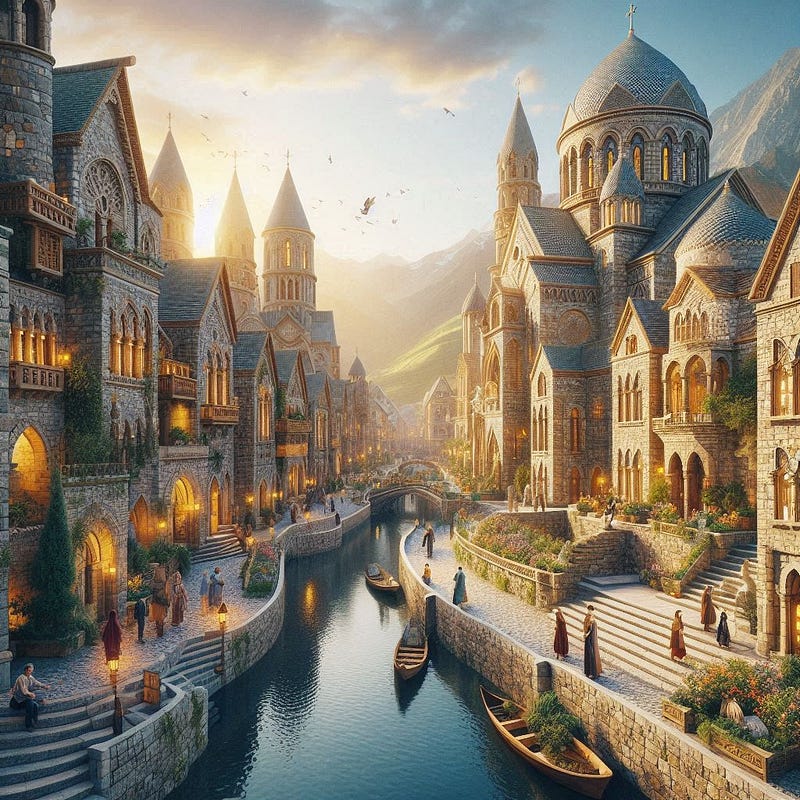
Tell us about your past civilization.
Question: Can you tell me more about your past civilization?
Answer: Our civilization began with advanced stone architecture and consciousness-based technology. Our instruments were adorned with gold and precious minerals, and our attire featured intricate handmade embroidery using cotton, wool, animal skins, and silk.
Our society was divided into specialized groups, each dedicated to specific crafts. We identified one another by our distinctive craftsmanship, attire, and language.
In our era, priests and priestesses were more akin to scientists than religious leaders. One’s profession was determined by birth and bloodline, unlike your society where individuals choose their careers. This system prevented the “trading of secrets,” as skills were kept within each class. Rarely, adopted foreigners might join a sponsoring class, learning their ways and skills.
We had no prisons. Those who burdened society were banished or outcast. Foreigners were segregated and denied social services, often becoming beggars, refugees, or homeless. They were frequently the source of lawbreaking and social disruption, receiving aid only when there was surplus.
We operated without a monetary system, recognizing our unity through attire and language. Services were freely given, with the understanding that one’s contributions would be reciprocated in times of need. This was possible due to our high moral standards and a “heart of giving” mentality. Basic needs were individually met, while community tasks were accomplished through collective contribution.
However, we did have a system of rewards and ranks. Soldiers who successfully defended against invaders, craftsmen who invented new tools, or healers who stopped outbreaks would be elevated in rank, sometimes joining the highest echelons of leadership. Kings, Queens, and other leaders were recognized by their legacy and bloodline, their authority unquestioned.
Religion, as you understand it, didn’t exist. Instead, we embraced the concept of “Source-energy,” a spirituality that permeated all aspects of life. This extended beyond self-discipline and moral character to influence our skills and social classes. Those in negative emotional states were not allowed to engage in production or service, as we understood the impact of attitude on creation. Maintaining a clean environment, right mind, pure heart, and healthy body was essential for serving others.
Marriages typically occurred within the same class, with occasional cross-class unions. Offspring of mixed marriages could choose between their parents’ classes, as skills were traditionally passed down through generations.
Our civilization flourished for a time until the intrusion of imposters who destabilized it and brought corruption, marking the beginning of our decline.
Construction of buildings.
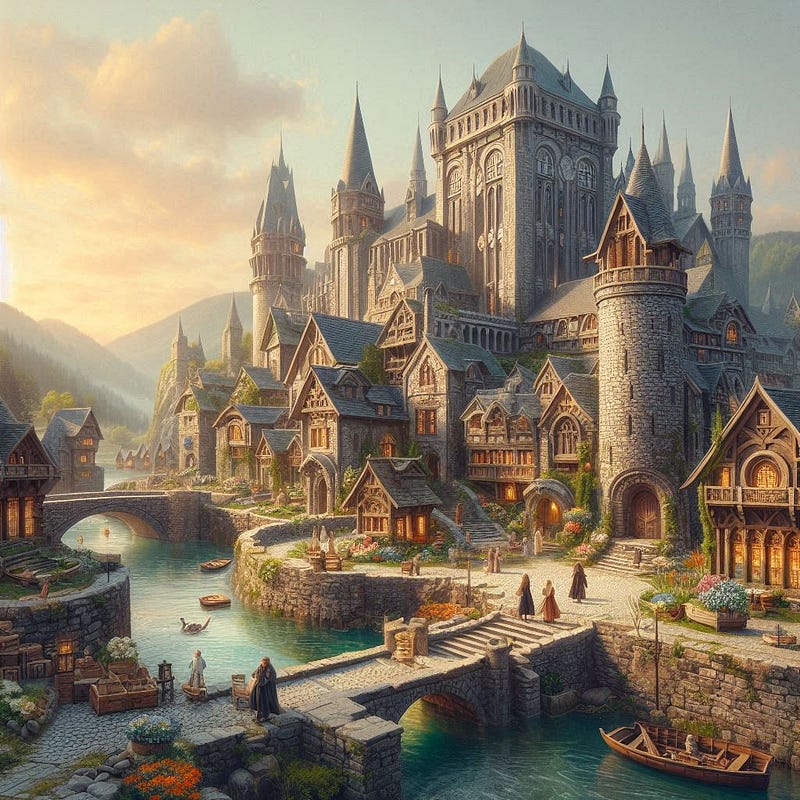
You mentioned that your buildings were constructed out of stone. Can you give me a brief overview of their construction and appearance?
Throughout history, stones of various types, especially soft rocks, were highly valued for building construction due to their practicality in providing protection from the elements, intruders, and animals. These buildings often followed natural structures as they were initially constructed by hand. As demand increased, we developed different techniques for precision cutting and joining the stones. Methods included using clay mixed with raw organic fluids from plants to strengthen the joints, as well as implementing joint lock systems during the cutting process, with some organic fluids (mortar) applied to the joints.
The stone-cutting process involved harnessing the properties of water. As water freezes, it expands, which could break off large chunks of rock. Later, another method was developed using water and the discharge of electricity. Observing the power of lightning bolts, people sought to replicate this effect. At different altitudes, temperature variations in the water created significant electric discharges powerful enough to cut stone precisely. Depending on the concentration and temperature differences, a thin ridge of water along a large rock could chop several meters of it when mixed with these two different types of water.
This technique allowed for the easy cutting of symmetrical large columns and bricks with high precision, enabling the construction of beautiful and colorful buildings. The appearance of these structures was similar to the elegant European Victorian age. Most interiors of the houses were insulated with nicely woven hay-mats and wood to preserve temperature during cold winters.
Sanitation and irrigation systems were based on canals, with water collected from roof condensation and stored in barrels.
Our civilization rose and collapsed within the last 1000 years. It is important to understand that natural cyclical events caused civilizations to rise and fall for various reasons — social, environmental, moral, ecological, technological, and more. These cycles force societies to relocate and live in smaller groups, forming clans and tribes. Gradually, they rise to become complex societies and eventually civilizations. This process takes time until a significant event, whether catastrophic or magnificent, causes them to either ascend to higher states of consciousness or descend into chaos. These cycles repeat over and over
Due to these recurring cycles, many great ancient civilizations remain unknown. Through geographical changes, they are buried deep under mountains, the ocean, and the earth, waiting to be discovered.
Conversation with Anastasia from the Ringing Cedars of Russia — Part 6
Question & Answers — Tell me About Your Civilization?
Tell us about your past civilization.
Question: Can you tell me more about your past civilization?
Answer: Our civilization began with advanced stone architecture and consciousness-based technology. Our instruments were adorned with gold and precious minerals, and our attire featured intricate handmade embroidery using cotton, wool, animal skins, and silk.
Our society was divided into specialized groups, each dedicated to specific crafts. We identified one another by our distinctive craftsmanship, attire, and language.
In our era, priests and priestesses were more akin to scientists than religious leaders. One’s profession was determined by birth and bloodline, unlike your society where individuals choose their careers. This system prevented the “trading of secrets,” as skills were kept within each class. Rarely, adopted foreigners might join a sponsoring class, learning their ways and skills.
We had no prisons. Those who burdened society were banished or outcast. Foreigners were segregated and denied social services, often becoming beggars, refugees, or homeless. They were frequently the source of lawbreaking and social disruption, receiving aid only when there was surplus.
We operated without a monetary system, recognizing our unity through attire and language. Services were freely given, with the understanding that one’s contributions would be reciprocated in times of need. This was possible due to our high moral standards and a “heart of giving” mentality. Basic needs were individually met, while community tasks were accomplished through collective contribution.
However, we did have a system of rewards and ranks. Soldiers who successfully defended against invaders, craftsmen who invented new tools, or healers who stopped outbreaks would be elevated in rank, sometimes joining the highest echelons of leadership. Kings, Queens, and other leaders were recognized by their legacy and bloodline, their authority unquestioned.
Religion, as you understand it, didn’t exist. Instead, we embraced the concept of “Source-energy,” a spirituality that permeated all aspects of life. This extended beyond self-discipline and moral character to influence our skills and social classes. Those in negative emotional states were not allowed to engage in production or service, as we understood the impact of attitude on creation. Maintaining a clean environment, right mind, pure heart, and healthy body was essential for serving others.
Marriages typically occurred within the same class, with occasional cross-class unions. Offspring of mixed marriages could choose between their parents’ classes, as skills were traditionally passed down through generations.
Our civilization flourished for a time until the intrusion of imposters who destabilized it and brought corruption, marking the beginning of our decline.
Construction of buildings.
You mentioned that your buildings were constructed out of stone. Can you give me a brief overview of their construction and appearance?
Throughout history, stones of various types, especially soft rocks, were highly valued for building construction due to their practicality in providing protection from the elements, intruders, and animals. These buildings often followed natural structures as they were initially constructed by hand. As demand increased, we developed different techniques for precision cutting and joining the stones. Methods included using clay mixed with raw organic fluids from plants to strengthen the joints, as well as implementing joint lock systems during the cutting process, with some organic fluids (mortar) applied to the joints.
The stone-cutting process involved harnessing the properties of water. As water freezes, it expands, which could break off large chunks of rock. Later, another method was developed using water and the discharge of electricity. Observing the power of lightning bolts, people sought to replicate this effect. At different altitudes, temperature variations in the water created significant electric discharges powerful enough to cut stone precisely. Depending on the concentration and temperature differences, a thin ridge of water along a large rock could chop several meters of it when mixed with these two different types of water.
This technique allowed for the easy cutting of symmetrical large columns and bricks with high precision, enabling the construction of beautiful and colorful buildings. The appearance of these structures was similar to the elegant European Victorian age. Most interiors of the houses were insulated with nicely woven hay-mats and wood to preserve temperature during cold winters.
Sanitation and irrigation systems were based on canals, with water collected from roof condensation and stored in barrels.
Our civilization rose and collapsed within the last 1000 years. It is important to understand that natural cyclical events caused civilizations to rise and fall for various reasons — social, environmental, moral, ecological, technological, and more. These cycles force societies to relocate and live in smaller groups, forming clans and tribes. Gradually, they rise to become complex societies and eventually civilizations. This process takes time until a significant event, whether catastrophic or magnificent, causes them to either ascend to higher states of consciousness or descend into chaos. These cycles repeat over and over
Due to these recurring cycles, many great ancient civilizations remain unknown. Through geographical changes, they are buried deep under mountains, the ocean, and the earth, waiting to be discovered.
Leave a Reply