
The Asthma Plant: A Natural Remedy with Diverse Health Benefits
Discover the Healing Power of this Unique Herb.
Introduction.
After stepping away from the 8-to-5 working lifestyle, I discovered that there is indeed life beyond the modern routine. For years, I had dreamed of living closer to nature and forging a deeper connection with it. Recently, two friends from Europe visited me, and they were captivated by the abundance of fresh food and available land here. One day, when one of them asked me about something, I casually told him it was “by the mango tree.” To my surprise, he replied, “I don’t know the mango tree; I’ve never seen one.”
This moment sparked a desire in me to learn everything I could about the plants around me. I gave my friends a little tour, showing them the variety of plants in my surroundings. Now, more than six months later, I’ve learned so much about plants and continue to explore even more. I’ve discovered the least resistance is the way and the things we consider unwanted have more value than what we treasure.
To start, I want to talk about the Asthma Plant. It grows everywhere and is often considered a weed. I’ve always plucked it off my pavement without knowing its value and healing benefits.
Most of the things I write here, I’ve personally experienced and some of them I’ve researched and indirectly heard about this plant. You should never treat this article as a prescription for your ailments. This is just an eye opener for you to do your own research and see what suits you.
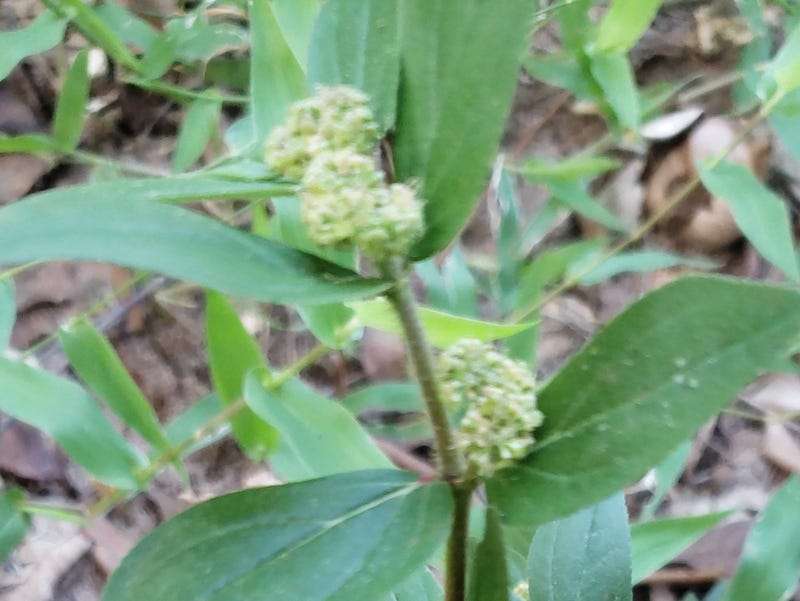
The Asthma Plant, scientifically known as Euphorbia hirta, is a small, annual herbaceous plant belonging to the Euphorbiaceous family. Native to tropical and subtropical regions around the world, this plant has been used in traditional medicine for centuries.
Its name derives from its widespread use as a natural remedy for respiratory ailments, particularly asthma. However, the Asthma Plant offers a wide array of health benefits beyond just treating respiratory conditions. I have gathered the various medicinal uses of the Asthma Plant and will provide guidance on how to use it effectively.
Medicinal Uses of the Asthma Plant.
1. Respiratory Health
- Asthma: As its common name suggests, the Asthma Plant is most renowned for its ability to alleviate asthma symptoms. The plant contains compounds that have bronchodilatory effects, helping to open up the airways and improve breathing.
- Coughs and Bronchitis: The plant’s expectorant properties make it effective in treating coughs and bronchitis. It helps in loosening mucus, making it easier to expel and thereby relieving congestion.
- Allergies: Due to its anti-inflammatory properties, the Asthma Plant is also used to manage allergic reactions that affect the respiratory system.
2. Digestive Health.
- Diarrhea and Dysentery: The Asthma Plant has been traditionally used to treat gastrointestinal disorders like diarrhea and dysentery. It possesses antimicrobial properties that help combat the bacteria causing these conditions.
- Dyspepsia (Indigestion): The plant’s soothing effects on the stomach make it useful for treating indigestion and other minor stomach upsets.
3. Skin Conditions
- Wounds and Ulcers: The plant’s antibacterial and anti-inflammatory properties are beneficial for treating minor wounds, cuts, and ulcers. It aids in faster healing and prevents infections.
- Skin Infections: Topical application of the plant can help treat various skin infections, including fungal infections, due to its antimicrobial activity.
4. Reproductive Health
- Menstrual Disorders: In traditional medicine, the Asthma Plant has been used to regulate menstrual cycles and alleviate symptoms of dysmenorrhea (painful menstruation).
- Lactation: It is also believed to enhance lactation in nursing mothers, though this use is less well-documented.
- Increases libido: has also been traditionally used as a natural aphrodisiac, believed to enhance libido and sexual vitality. Its role in increasing libido is attributed to its ability to improve blood circulation and reduce stress, both of which are essential for sexual health. The plant’s adaptogenic properties help balance hormones and support overall well-being, which may contribute to an increased desire and improved sexual performance.
5. Immune System Support
- Antioxidant Properties: The Asthma Plant is rich in flavonoids and phenolic compounds, which contribute to its antioxidant properties. These compounds help in neutralizing free radicals, thereby supporting overall immune health.
- Antimicrobial Activity: The plant’s extracts have shown efficacy against a range of pathogens, including bacteria, viruses, and fungi, making it useful for preventing and treating infections.
6. Anti-Tumor Properties
- Recent studies have explored the potential anti-tumor properties of the Asthma Plant, highlighting its promise in cancer research. The plant contains various bioactive compounds, such as flavonoids, triterpenoids, and polyphenols, which have shown cytotoxic effects against cancer cells in laboratory settings. These compounds are believed to inhibit the growth and proliferation of cancer cells by inducing apoptosis (programmed cell death) and disrupting the cellular processes that allow tumors to thrive.
7. Anti-Diabetic Properties
- It also exhibits promising anti-diabetic properties, making it a beneficial herbal remedy for managing blood sugar levels. Studies have shown that extracts from the plant can help lower blood glucose levels, improve insulin sensitivity, and reduce oxidative stress, all of which are crucial in managing diabetes. The plant’s flavonoids and other active compounds contribute to these effects by modulating enzymes involved in glucose metabolism and enhancing the body’s natural antioxidant defenses.
8. Anti-Malaria Properties
- It has also garnered attention for its potential antimalarial properties. Traditional medicine in regions where malaria is prevalent has used the plant to treat symptoms associated with the disease. Recent studies have identified active compounds in the plant, such as alkaloids and flavonoids, which possess anti-plasmodial activity, meaning they can inhibit the growth of the Plasmodium parasites responsible for malaria. These compounds work by interfering with the parasite’s lifecycle, thus preventing its proliferation within the human body. While more research is needed to fully understand the plant’s effectiveness and mechanism of action against malaria.
How to Use the Asthma Plant
The Asthma Plant can be used in various forms depending on the condition being treated. Here are some common methods of preparation and usage:
1. Tea/Infusion
- Preparation: To prepare a tea or infusion, take a handful of fresh or dried Asthma Plant leaves and steep them in boiling water for about 10–15 minutes. Strain the liquid and use it. I personally use it as hot tea, or in other cases, I make over one liter and when it cools down, I drink it as juice.
- Uses: This preparation is commonly used for respiratory conditions such as asthma, coughs, and bronchitis, as well as digestive issues like indigestion and diarrhea.
- Dosage: Typically, 1–2 cups of tea per day are recommended, but dosage can vary based on individual needs and the severity of symptoms.
2. Tincture
- Preparation: A tincture can be made by soaking the plant’s leaves and stems in alcohol (such as vodka) for several weeks, then straining the liquid.
- Uses: Tinctures are more concentrated and are used in smaller doses for conditions like asthma, allergies, and menstrual disorders.
- Dosage: Usually, 10–15 drops of tincture diluted in water or juice, taken 1–3 times daily, is sufficient.
3. Topical Application
- Preparation: The leaves can be crushed to make a paste or juice, which can be directly applied to the skin.
- Uses: This is effective for treating wounds, ulcers, and skin infections.
- Frequency: Apply the paste or juice to the affected area 2–3 times a day until the condition improves.
4. Powder
- Preparation: Dried leaves can be ground into a fine powder.
- Uses: The powder can be mixed with honey or water and consumed for digestive issues, or it can be applied to wounds as an antiseptic.
- Dosage: For internal use, about half a teaspoon of powder 1–2 times a day is usually recommended.
Precautions and Considerations
While the Asthma Plant has numerous health benefits, it is essential to use it cautiously. The plant’s latex (milky sap) can be irritating to the skin and eyes, and it should not be ingested directly. Pregnant and breastfeeding women should consult a healthcare professional before using the plant. Additionally, as with any herbal remedy, it’s advisable to consult with a healthcare provider before beginning treatment, especially for those with pre-existing health conditions or those taking other medications.
Conclusion
There you have it; this Asthma Plant is a versatile and potent herbal remedy with a wide range of medicinal uses. From treating respiratory and digestive ailments to supporting skin health and boosting the immune system, this plant has earned its place in traditional medicine. With proper knowledge of its preparation and usage, the Asthma Plant can be a valuable natural resource for maintaining health and well-being. However, like all medicinal plants, it should be used with care and respect for its potent properties.
sources:
The Asthma Plant: A Natural Remedy with Diverse Health Benefits
Discover the Healing Power of this Unique Herb.
Introduction.
After stepping away from the 8-to-5 working lifestyle, I discovered that there is indeed life beyond the modern routine. For years, I had dreamed of living closer to nature and forging a deeper connection with it. Recently, two friends from Europe visited me, and they were captivated by the abundance of fresh food and available land here. One day, when one of them asked me about something, I casually told him it was “by the mango tree.” To my surprise, he replied, “I don’t know the mango tree; I’ve never seen one.”
This moment sparked a desire in me to learn everything I could about the plants around me. I gave my friends a little tour, showing them the variety of plants in my surroundings. Now, more than six months later, I’ve learned so much about plants and continue to explore even more. I’ve discovered the least resistance is the way and the things we consider unwanted have more value than what we treasure.
To start, I want to talk about the Asthma Plant. It grows everywhere and is often considered a weed. I’ve always plucked it off my pavement without knowing its value and healing benefits.
Most of the things I write here, I’ve personally experienced and some of them I’ve researched and indirectly heard about this plant. You should never treat this article as a prescription for your ailments. This is just an eye opener for you to do your own research and see what suits you.
The Asthma Plant, scientifically known as Euphorbia hirta, is a small, annual herbaceous plant belonging to the Euphorbiaceous family. Native to tropical and subtropical regions around the world, this plant has been used in traditional medicine for centuries.
Its name derives from its widespread use as a natural remedy for respiratory ailments, particularly asthma. However, the Asthma Plant offers a wide array of health benefits beyond just treating respiratory conditions. I have gathered the various medicinal uses of the Asthma Plant and will provide guidance on how to use it effectively.
Medicinal Uses of the Asthma Plant.
1. Respiratory Health
- Asthma: As its common name suggests, the Asthma Plant is most renowned for its ability to alleviate asthma symptoms. The plant contains compounds that have bronchodilatory effects, helping to open up the airways and improve breathing.
- Coughs and Bronchitis: The plant’s expectorant properties make it effective in treating coughs and bronchitis. It helps in loosening mucus, making it easier to expel and thereby relieving congestion.
- Allergies: Due to its anti-inflammatory properties, the Asthma Plant is also used to manage allergic reactions that affect the respiratory system.
2. Digestive Health.
- Diarrhea and Dysentery: The Asthma Plant has been traditionally used to treat gastrointestinal disorders like diarrhea and dysentery. It possesses antimicrobial properties that help combat the bacteria causing these conditions.
- Dyspepsia (Indigestion): The plant’s soothing effects on the stomach make it useful for treating indigestion and other minor stomach upsets.
3. Skin Conditions
- Wounds and Ulcers: The plant’s antibacterial and anti-inflammatory properties are beneficial for treating minor wounds, cuts, and ulcers. It aids in faster healing and prevents infections.
- Skin Infections: Topical application of the plant can help treat various skin infections, including fungal infections, due to its antimicrobial activity.
4. Reproductive Health
- Menstrual Disorders: In traditional medicine, the Asthma Plant has been used to regulate menstrual cycles and alleviate symptoms of dysmenorrhea (painful menstruation).
- Lactation: It is also believed to enhance lactation in nursing mothers, though this use is less well-documented.
- Increases libido: has also been traditionally used as a natural aphrodisiac, believed to enhance libido and sexual vitality. Its role in increasing libido is attributed to its ability to improve blood circulation and reduce stress, both of which are essential for sexual health. The plant’s adaptogenic properties help balance hormones and support overall well-being, which may contribute to an increased desire and improved sexual performance.
5. Immune System Support
- Antioxidant Properties: The Asthma Plant is rich in flavonoids and phenolic compounds, which contribute to its antioxidant properties. These compounds help in neutralizing free radicals, thereby supporting overall immune health.
- Antimicrobial Activity: The plant’s extracts have shown efficacy against a range of pathogens, including bacteria, viruses, and fungi, making it useful for preventing and treating infections.
6. Anti-Tumor Properties
- Recent studies have explored the potential anti-tumor properties of the Asthma Plant, highlighting its promise in cancer research. The plant contains various bioactive compounds, such as flavonoids, triterpenoids, and polyphenols, which have shown cytotoxic effects against cancer cells in laboratory settings. These compounds are believed to inhibit the growth and proliferation of cancer cells by inducing apoptosis (programmed cell death) and disrupting the cellular processes that allow tumors to thrive.
7. Anti-Diabetic Properties
- It also exhibits promising anti-diabetic properties, making it a beneficial herbal remedy for managing blood sugar levels. Studies have shown that extracts from the plant can help lower blood glucose levels, improve insulin sensitivity, and reduce oxidative stress, all of which are crucial in managing diabetes. The plant’s flavonoids and other active compounds contribute to these effects by modulating enzymes involved in glucose metabolism and enhancing the body’s natural antioxidant defenses.
8. Anti-Malaria Properties
- It has also garnered attention for its potential antimalarial properties. Traditional medicine in regions where malaria is prevalent has used the plant to treat symptoms associated with the disease. Recent studies have identified active compounds in the plant, such as alkaloids and flavonoids, which possess anti-plasmodial activity, meaning they can inhibit the growth of the Plasmodium parasites responsible for malaria. These compounds work by interfering with the parasite’s lifecycle, thus preventing its proliferation within the human body. While more research is needed to fully understand the plant’s effectiveness and mechanism of action against malaria.
How to Use the Asthma Plant
The Asthma Plant can be used in various forms depending on the condition being treated. Here are some common methods of preparation and usage:
1. Tea/Infusion
- Preparation: To prepare a tea or infusion, take a handful of fresh or dried Asthma Plant leaves and steep them in boiling water for about 10–15 minutes. Strain the liquid and use it. I personally use it as hot tea, or in other cases, I make over one liter and when it cools down, I drink it as juice.
- Uses: This preparation is commonly used for respiratory conditions such as asthma, coughs, and bronchitis, as well as digestive issues like indigestion and diarrhea.
- Dosage: Typically, 1–2 cups of tea per day are recommended, but dosage can vary based on individual needs and the severity of symptoms.
2. Tincture
- Preparation: A tincture can be made by soaking the plant’s leaves and stems in alcohol (such as vodka) for several weeks, then straining the liquid.
- Uses: Tinctures are more concentrated and are used in smaller doses for conditions like asthma, allergies, and menstrual disorders.
- Dosage: Usually, 10–15 drops of tincture diluted in water or juice, taken 1–3 times daily, is sufficient.
3. Topical Application
- Preparation: The leaves can be crushed to make a paste or juice, which can be directly applied to the skin.
- Uses: This is effective for treating wounds, ulcers, and skin infections.
- Frequency: Apply the paste or juice to the affected area 2–3 times a day until the condition improves.
4. Powder
- Preparation: Dried leaves can be ground into a fine powder.
- Uses: The powder can be mixed with honey or water and consumed for digestive issues, or it can be applied to wounds as an antiseptic.
- Dosage: For internal use, about half a teaspoon of powder 1–2 times a day is usually recommended.
Precautions and Considerations
While the Asthma Plant has numerous health benefits, it is essential to use it cautiously. The plant’s latex (milky sap) can be irritating to the skin and eyes, and it should not be ingested directly. Pregnant and breastfeeding women should consult a healthcare professional before using the plant. Additionally, as with any herbal remedy, it’s advisable to consult with a healthcare provider before beginning treatment, especially for those with pre-existing health conditions or those taking other medications.
Conclusion
There you have it; this Asthma Plant is a versatile and potent herbal remedy with a wide range of medicinal uses. From treating respiratory and digestive ailments to supporting skin health and boosting the immune system, this plant has earned its place in traditional medicine. With proper knowledge of its preparation and usage, the Asthma Plant can be a valuable natural resource for maintaining health and well-being. However, like all medicinal plants, it should be used with care and respect for its potent properties.
sources:
Leave a Reply