What Would We See if Our Eyes Were Square?
Ever imagine how the world would be like if You had Cubical eyes?
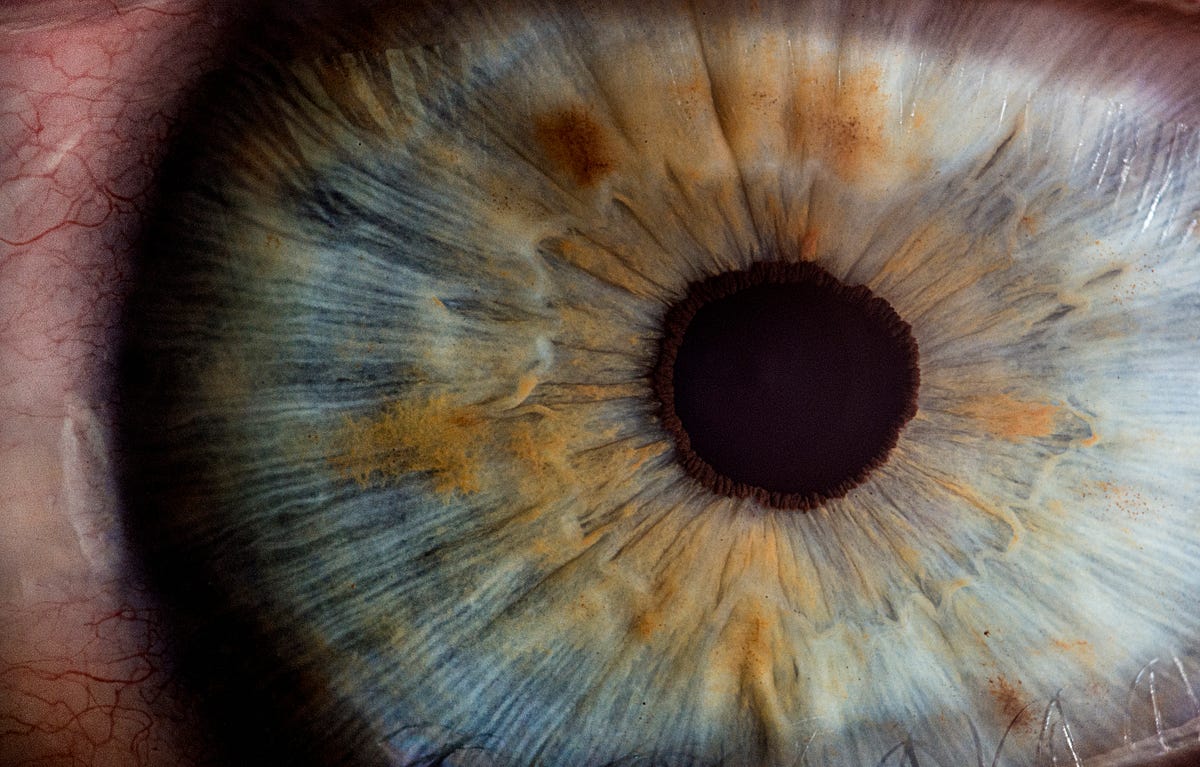
It is nearly impossible to appreciate what we have until we see it from a different perspective. Our eyes are among the ingenious mechanisms that allow us to navigate and perceive the world around us soundly.
Compared to the world of physical elements, things behave differently in the world of light. According to scientists, light travels very fast. As objects near the speed of light, becomes heavy as they speed up, they reach a threshold where they become light. This is because they have been transformed into pure energy.
Unlike material substances, light travels in straight lines. Where this is the key to understanding how and why we see things the way they appear.
What we see is not the reality.
Because of the nature of light, the lenses of our eyes distort the reflectivity of light from objects to make them appear the way they do.
Because of the nature of light, light rays can diverge and converge, so that the furthest objects appear smaller, and the closest objects appear larger relative to their actual sizes. For example, the sun or moon appears small to be able to fit in the palm of your hand, large buildings, mountains even cities when at a sufficient distance they can be as small as our fingernails.
Here are characteristics that enable us to see the world around us the way it is.

- The convex lenses: The convex lens collects light from a wider angle, which allows us to see objects farther and broader. Because of this, as we move the larger objects appear to move along with us because of parallax.
- Spherical nature of the eye: Since the eye is a sphere, it allows light to converge and diverge inside, which allows us to see farther objects, as well as creating the illusion of seeing larger objects smaller.
- The circular nature of the eye. This circular shape makes extremely larger objects appear like a disc. Assume you are looking through a circular pipe. If you point that pipe on a wall, the potion of that wall would appear round. So sometimes extremely larger objects would appear as discs only because that is the scope of our vision.
- Scope of vision: Because our eyes use reflected rays of light to perceive our surroundings, as light travels through space it loses its intensity, which means the farther the objects are, the fuzzier and blurrier they become. This phenomenon creates a sense of spherical horizon because of the radius of the scope of vision. We perceive that we are under the dome, but this is not so. In our efforts to reach the horizon, we discover that it is unreachable. In addition to this, maybe the stars in the sky are only the highest peaks of a continuous realm, that light cannot reach its depth for us to see the entire plane.
- The convex nature of the retina, our retinas are not flat, but they are convex, something that makes our eye sight broader than flat light senses. Have you noticed when you use a phone camera with the eyes, the eyes seem to see further than the camera?
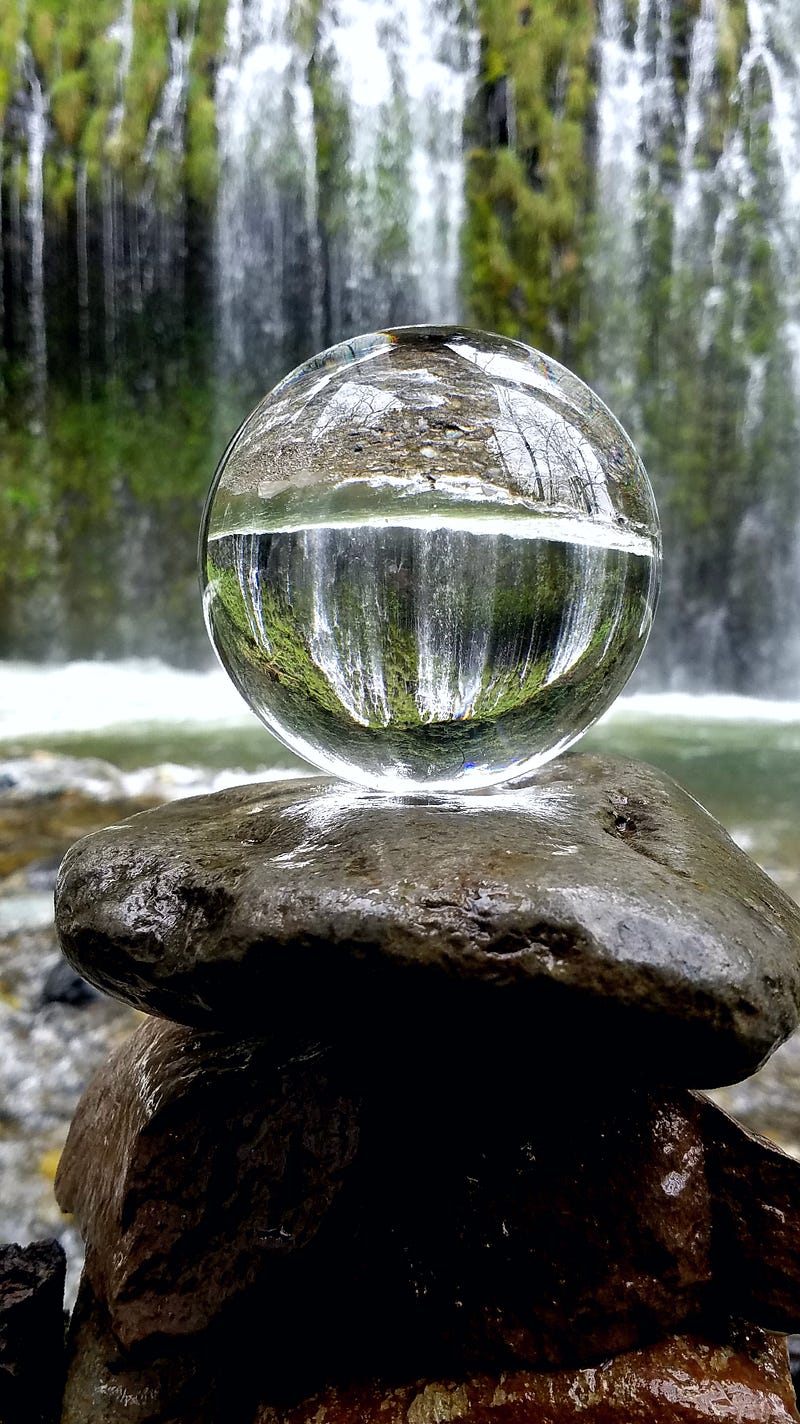
Is what we see a true reflection of reality? Is it a reality created by our minds? Who is there to say that this is how reality is? If everyone on the planet were born color blind, then it would be a standard that the reality is black and white. For now, we can only guess what is out there in terms of the ultimate reality.
Now let’s do a thought experiment to analyze what would happen if our eyes were square.
Based on the characteristics of our yes, we can see its advantages and that whatever decided them to be that way must have done a well thought out plan.
If our eyes were cubes this is what we will see.
1. We won’t see a broader vision than the size of our eyes. We will see only a very narrow range of vision since light travels in straight lines, and there is no lens to collect light from a wider angle.
2. Further objects won’t appear to be smaller, all objects will be their actual size regardless of distance. This is because if you use a laser, it points out the straight line, it does not diverge, because they use a flat glass to project it.
3. In order to see a broader vision, our eyes would have to be as large as the actual size of the object.
4. The furthest objects will only fade because of atmospheric conditions such as humidity that interfere with light.
Conclusion:
At the end of the day, it is simply impractical to have square eyes. Therefore, we should be grateful that our bodies are a marvelous creation and that every part of us is the way it is for a very meaningful reason. And that sometimes we might not know the reason, but if we seek to understand it. it will be revealed to us. Let’s cherish and celebrate the oldest and grandest technology of all time, which is nature.
And just maybe, what we see out there is really a reflection of us, and that we should investigate the investigator first because maybe he/she is the original and the cause of reality.
What Would We See if Our Eyes Were Square?
Ever imagine how the world would be like if You had Cubical eyes?
It is nearly impossible to appreciate what we have until we see it from a different perspective. Our eyes are among the ingenious mechanisms that allow us to navigate and perceive the world around us soundly.
Compared to the world of physical elements, things behave differently in the world of light. According to scientists, light travels very fast. As objects near the speed of light, becomes heavy as they speed up, they reach a threshold where they become light. This is because they have been transformed into pure energy.
Unlike material substances, light travels in straight lines. Where this is the key to understanding how and why we see things the way they appear.
What we see is not the reality.
Because of the nature of light, the lenses of our eyes distort the reflectivity of light from objects to make them appear the way they do.
Because of the nature of light, light rays can diverge and converge, so that the furthest objects appear smaller, and the closest objects appear larger relative to their actual sizes. For example, the sun or moon appears small to be able to fit in the palm of your hand, large buildings, mountains even cities when at a sufficient distance they can be as small as our fingernails.
Here are characteristics that enable us to see the world around us the way it is.
- The convex lenses: The convex lens collects light from a wider angle, which allows us to see objects farther and broader. Because of this, as we move the larger objects appear to move along with us because of parallax.
- Spherical nature of the eye: Since the eye is a sphere, it allows light to converge and diverge inside, which allows us to see farther objects, as well as creating the illusion of seeing larger objects smaller.
- The circular nature of the eye. This circular shape makes extremely larger objects appear like a disc. Assume you are looking through a circular pipe. If you point that pipe on a wall, the potion of that wall would appear round. So sometimes extremely larger objects would appear as discs only because that is the scope of our vision.
- Scope of vision: Because our eyes use reflected rays of light to perceive our surroundings, as light travels through space it loses its intensity, which means the farther the objects are, the fuzzier and blurrier they become. This phenomenon creates a sense of spherical horizon because of the radius of the scope of vision. We perceive that we are under the dome, but this is not so. In our efforts to reach the horizon, we discover that it is unreachable. In addition to this, maybe the stars in the sky are only the highest peaks of a continuous realm, that light cannot reach its depth for us to see the entire plane.
- The convex nature of the retina, our retinas are not flat, but they are convex, something that makes our eye sight broader than flat light senses. Have you noticed when you use a phone camera with the eyes, the eyes seem to see further than the camera?
Is what we see a true reflection of reality? Is it a reality created by our minds? Who is there to say that this is how reality is? If everyone on the planet were born color blind, then it would be a standard that the reality is black and white. For now, we can only guess what is out there in terms of the ultimate reality.
Now let’s do a thought experiment to analyze what would happen if our eyes were square.
Based on the characteristics of our yes, we can see its advantages and that whatever decided them to be that way must have done a well thought out plan.
If our eyes were cubes this is what we will see.
1. We won’t see a broader vision than the size of our eyes. We will see only a very narrow range of vision since light travels in straight lines, and there is no lens to collect light from a wider angle.
2. Further objects won’t appear to be smaller, all objects will be their actual size regardless of distance. This is because if you use a laser, it points out the straight line, it does not diverge, because they use a flat glass to project it.
3. In order to see a broader vision, our eyes would have to be as large as the actual size of the object.
4. The furthest objects will only fade because of atmospheric conditions such as humidity that interfere with light.
Conclusion:
At the end of the day, it is simply impractical to have square eyes. Therefore, we should be grateful that our bodies are a marvelous creation and that every part of us is the way it is for a very meaningful reason. And that sometimes we might not know the reason, but if we seek to understand it. it will be revealed to us. Let’s cherish and celebrate the oldest and grandest technology of all time, which is nature.
And just maybe, what we see out there is really a reflection of us, and that we should investigate the investigator first because maybe he/she is the original and the cause of reality.
Leave a Reply